The Small Styling Shift That Changes How a Whole Outfit Reads
Quick Answer: Small shifts — where a waistband sits, where a hem breaks, how a top layers — change how a whole outfit’s proportions read, often more than the specific pieces themselves. A high waist and a flared hem are two of the most reliable, low-effort shifts available.
Most outfits that ‘just look put together’ aren’t wearing anything unusual — they’re using a few consistent proportion tricks that happen automatically once you know them.
Why does this styling trick actually work?
The eye reads a continuous line as longer than a line broken by a hard edge. A flared hem that widens gradually toward the ankle creates a continuous visual line down to the shoe, instead of a hard stop mid-shin the way a tapered or skinny cut does. It’s a real perceptual effect, not just a styling opinion.
How do you actually apply this trick?
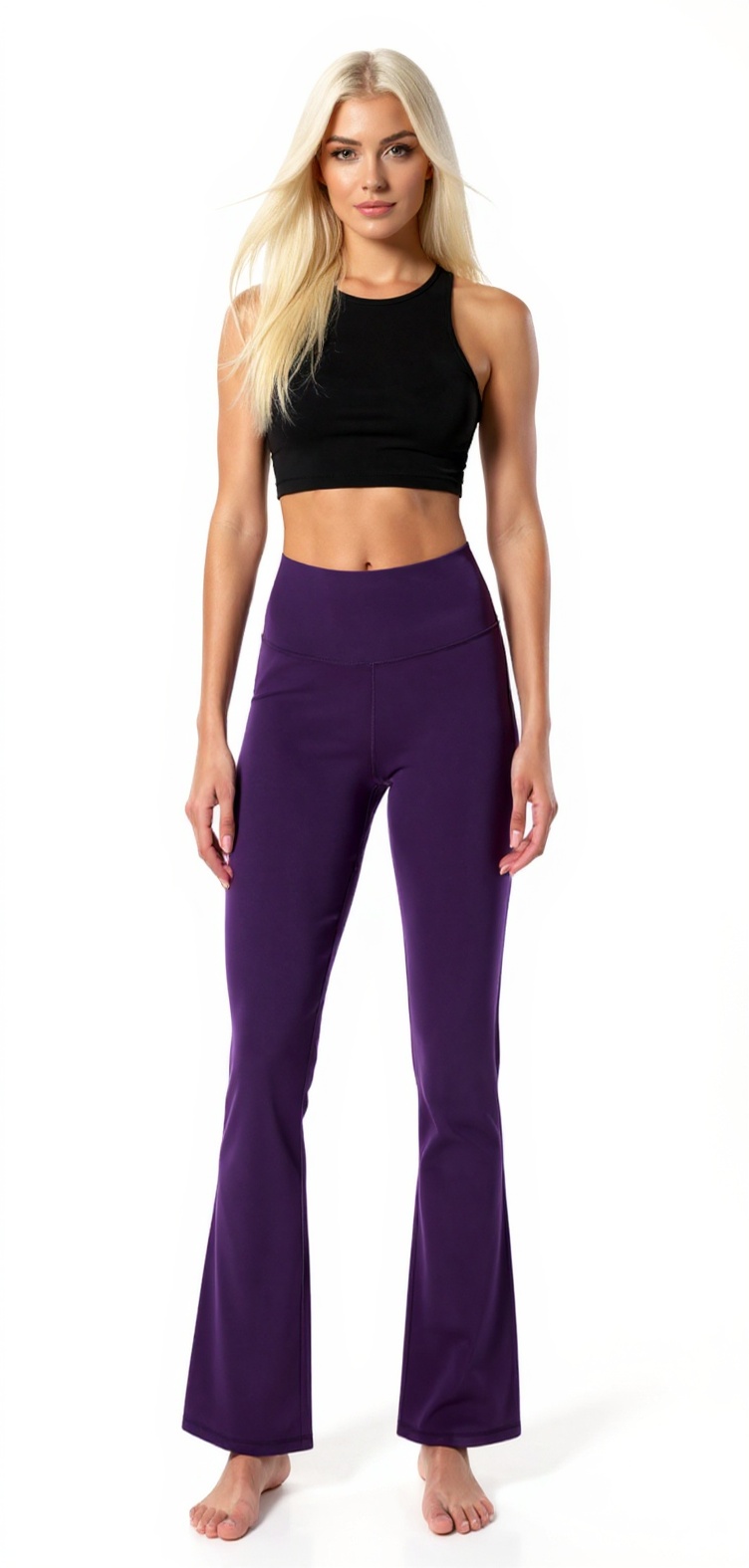
Apply it with a high-waist, flared-hem style like the High Waist Bootcut Yoga Pants with Out Pockets — the flare does the visual work, and a genuine high waist adds a second proportion cue, making the leg line read even longer from a standing position.
Does the effect work in any color, or does that matter too?
The effect holds across colors, though darker, more uniform tones like Charcoal tend to make the visual line read slightly cleaner than a busy print, simply because there’s less for the eye to break the line on.
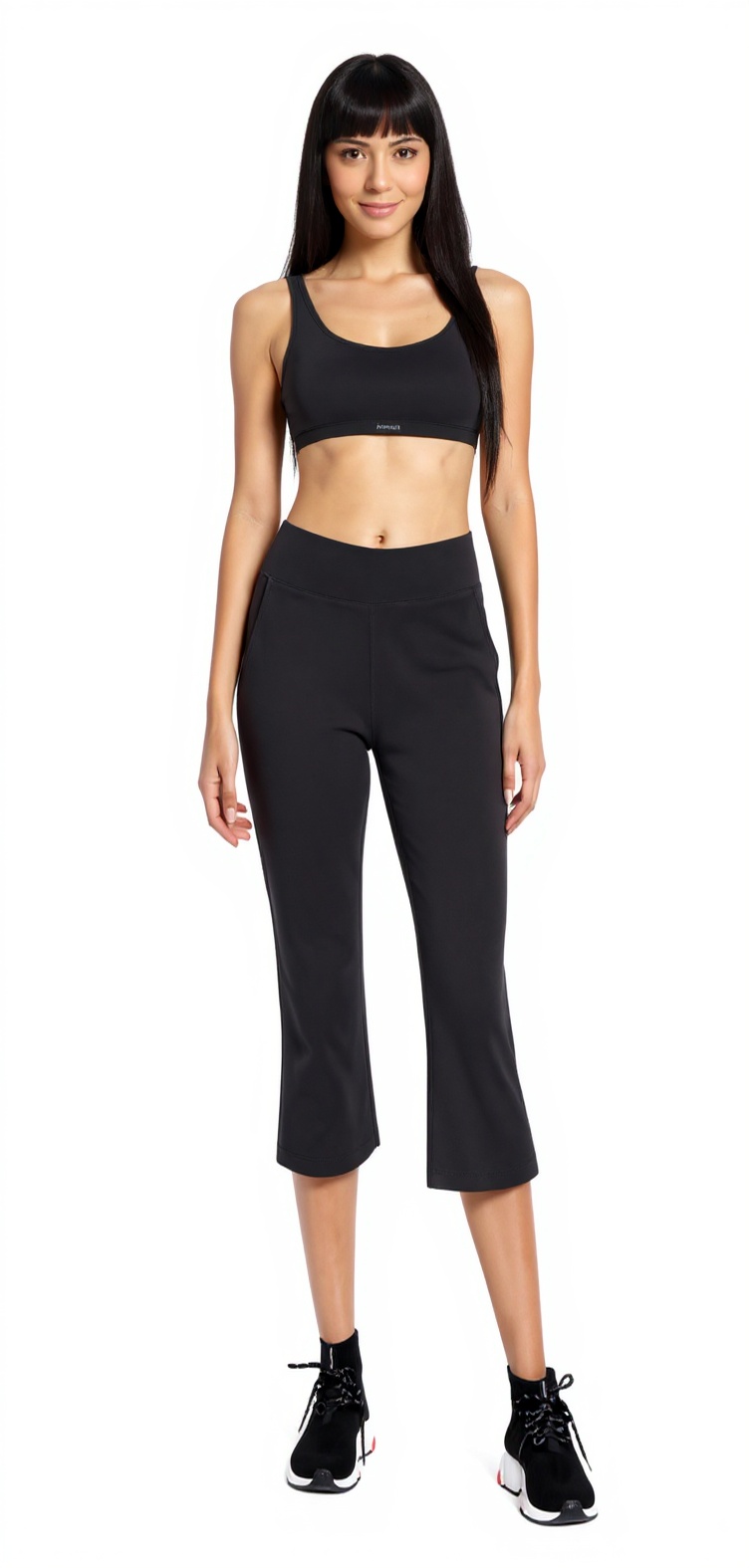
In practice, the difference between an outfit that reads ‘thrown together’ and one that reads ‘intentional’ often comes down to exactly this — not a bigger budget, not more pieces, just where a hem breaks and where a waistband sits. It’s one of the few style principles that costs nothing extra to apply once you know it.
What Nobody Tells You About This
Sizing up doesn’t fix a length or fit problem — it just changes the width. The two variables (length, size range) need to be solved independently; a bigger size in the wrong length or pattern grade is still the wrong fit.
Reviews mentioning multi-hour wear are worth more than first-impression reviews. Fit problems — riding up, digging in, losing shape — usually show up after an hour or more, not in a dressing room try-on.
A brand that solves this well usually says so specifically. Vague marketing language (‘inclusive fit’, ‘flattering for everyone’) is worth less than an actual size chart in inches or a stated inseam range.
How do I actually style this into an outfit?
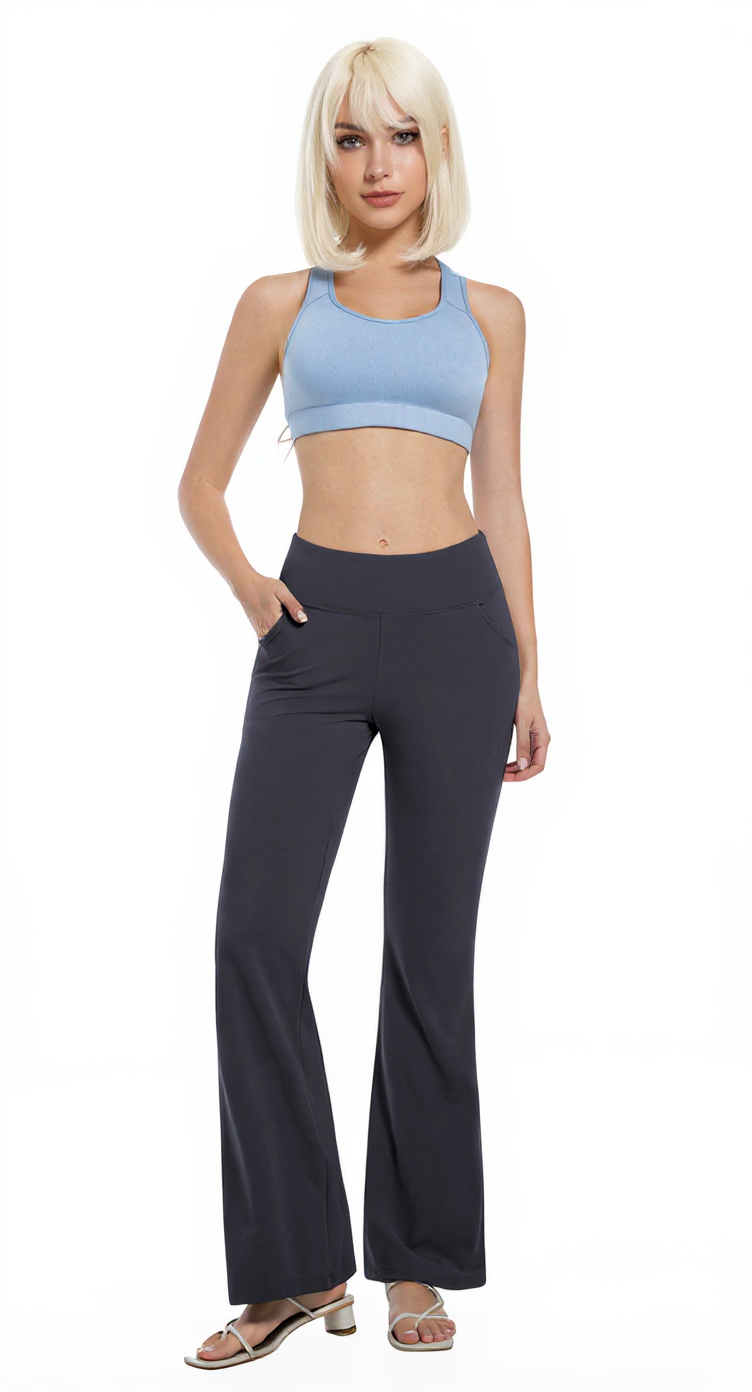
Pair a flared hem with a genuine high waist (sitting at or above your natural waistline, not just above the hip), and keep shoes in a similar tone to the pants when possible — matching tones extend the visual line even further than the flare alone.
FAQ: Questions, Answered
Q: Does this styling trick work with any shoe, or does that matter? It works best with shoes in a similar tone to the pants, or a low-profile shoe that doesn’t create a visual break — a chunky, contrasting shoe can interrupt the line.
Q: Is a flared hem out of style right now? It’s had a real resurgence specifically because of this proportion effect — it’s less about trend and more about a genuine styling mechanic that keeps working.
Q: Can petite or shorter frames use this trick too? Yes — the effect is about the visual line, not actual height, so it works on a 5’2” frame just as well as a 5’9” one.
Q: Does the effect still work with a cropped or shorter top? Yes, and often more so — a shorter top exposes more of the high waist, which reinforces the same proportion cue the flared hem is already creating.
TL;DR:
- A flared hem creates a real optical effect by keeping the leg line visually continuous to the shoe
- Pair it with a genuine high waist for a second proportion cue
- Matching shoe tone to pants extends the effect further
- The trick works regardless of actual height
Whatever the specific fit challenge, the right piece solves it by design, not by compromise.
Keep Reading
This article is for general informational and styling purposes only. Fit, sizing, and product availability may vary.